- Tech:NYC Newsletter
- Posts
- Companies to Watch - May 16, 2019
Companies to Watch - May 16, 2019
Five New York Blockchain Companies to Watch
Five Sustainability-Minded Companies to Watch
It’s that time of year again — the global crypto and blockchain community has descended on New York this week for the annual NYC Blockchain Week, and it’s no surprise why. New research we released last week with Startup Genome confirms that blockchain is a rapidly growing subsector, representing a 100% increase in early-stage startups across the globe, and it’s felt nowhere more than in New York.We’re hosting our own Blockchain Week event tonight on New York’s cryptocurrency landscape, and we’re going into it with some exciting new stats: cryptocurrency initiatives generated over $500 million in venture capital funding last year, a five-time increase from the year prior, and blockchain jobs in NYC exceeded 2,200 in 2018, a yearly increase of 400%. That’s not to mention the ripple effects blockchain technologies are having on New York anchor industries who are increasingly relying on them to keep their businesses on the cusp of innovation.To celebrate those wins — and our city’s financial services and engineering talent — we’re profiling five New York blockchain companies. Get a preview of their work below, and read the whole post here.
Tagomi
What does your company do?Tagomi co-founder and co-CEO Jennifer Campbell: Tagomi is a cryptocurrency Prime Broker that provides an end-to-end solution for investors who are trading in size from trade execution to custody.Not only was that experience largely shaped by venture, but also by being at such a storied New York firm. How has the New York tech ecosystem influenced your thinking as a founder?JC: New York’s distinguishing advantage as a startup hub is that it attracts talents in not just in software engineering, but many other important disciplines — finance, legal, operations, customer service, enterprise sales — that is many times difficult to find in one place. Tagomi is not just a software company. In fact, I think a lot of our success has also been due to the strength of our team in other areas, legal and operations in particular, which don’t typically get much appreciation at most startups.
Gauntlet
What does your company do?Gauntlet founder and CEO Tarun Chitra: Gauntlet provides simulation tools and services to help developers, investors, users, and fans of crypto networks feel secure in their investments and decisions.You’re very active in the meetup space, regularly hosting and attending events. What do you think is most special about the collaboration that comes out of the tech community, and New York’s tech community specifically?TC: Having spent the better part of the past eight years attending lots of events, ranging from the venerable NY Tech Meetup to the most curated events, I think the most special thing about New York is that people are always excited to learn about new innovations. Unlike SF, New York’s tech scene also has strong appreciation of the social and human impact of technology and how it shapes society. I think this stems from the diverse outside interests of people in the NY tech community — it is easy to find a developer who has a PhD in Comparative Literature or a product manager who has a PhD in art history in New York. As the general public begins to demand more from technology and the entities that provide it, New York will be in a stronger long-term position to ensure that technology provides meaning and value to humanity. It is much harder to find people who want to go to art museums, listen to slam poetry, or compete in pun contests in SF!
Blockseed
What does your company do?Blockseed founder and CEO Aniruddh Jain: We are building a CRM 2.0, an automated one that aligns your sales/raise interests and helps build and maintain relationships. We aim to find, incentivize, and help build new relationships by mapping network, while incentivizing the clients to provide feedback on the pitch. This feedback is of tremendous value to the sell side, but really hard to quantify today without a tool like Blockseed. It’s the entire sales pipeline reimagined with deeper insights.Your first venture came out of groups designed to support the tech community – an incubator and a hackathon, respectively. What do you see as being the most valuable pieces of the tech ecosystem? How do you see infrastructure like those continuing to grow?AJ: Incubators and hackathons are a great way to meet people and get critique in a closed environment. If you are a first-time founder, an incubator is a great resource for learning the ropes.If you are a more experienced founder, accelerators are great way to build a network in the space of your venture. I think that corporate venture capital is going to grow via accelerators, both because of the PR value and for the ease of acquisition, if the are the first equity in and can pre-determine terms. There are so many independent accelerators these days, it’s almost like the accelerator is the new startup — there’s a struggle to stand out. With new rating agencies and accelerator networks coming up, I see a good and firm standard for accelerators coming up soon.
BlockFi
What does your company do?BlockFi co-founder Flori Marquez: We offer financial products for crypto investors.
Have there been any changes in the crypto space you didn’t anticipate? What has that meant for investors?We did not anticipate our most recent product to have grown as rapidly as it has. As of today, we have over $100MM in assets under management in the BlockFi Interest Account (custodied by Gemini). This was positive news for investors in BlockFi and crypto investors alike.
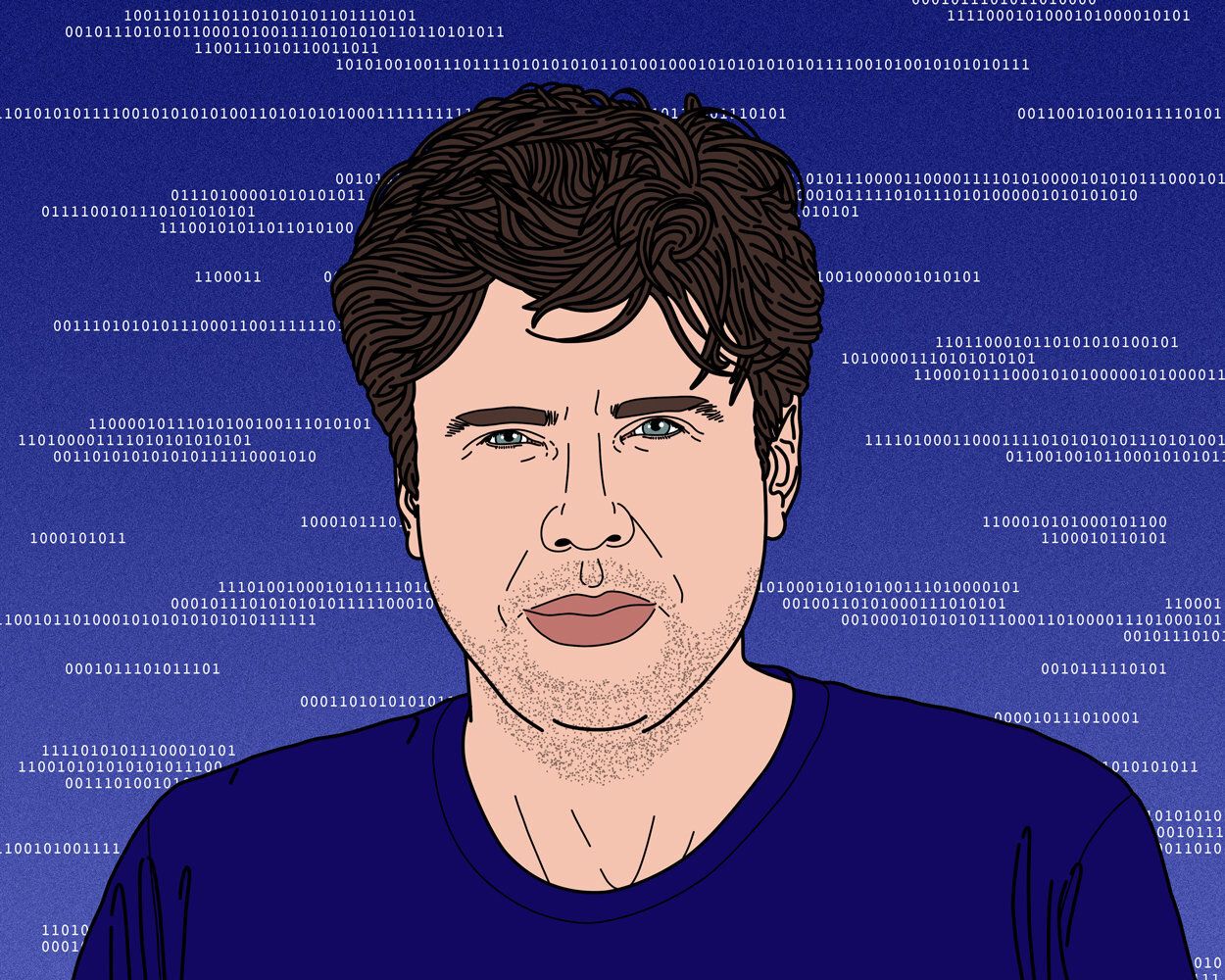
What does your company do?Snark.Art co-founder and CEO Andrey Alekhin: Snark.Art explores the creative and commercial possibilities of blockchain in art. Snark.Art revolutionized the art space by using blockchain not only as an identification tool, but as a medium itself. Art is a creative, but relatively constant, industry. Painting, sculpture, music – we’re familiar with their forms and how they have been generated for thousands of years. What has it been like introducing an entirely new mechanism for creation?AA: Artists are all about experimentation — you do not need to convince them to try new things, they’re already into it. The possibilities of this new medium is enormous — it’s a whole new universe. Imagine artworks that mutate with a change of ownership or reveal themselves in a hundred years from now. Artists can now create whole new worlds with internal logic and rules — and these worlds could run forever and be independent of anything, including their creators. How cool is that?Join Us
If you’ve been thinking about joining Tech:NYC as a member, now’s the time.
, and let us know if you have any questions.
All illustrations by